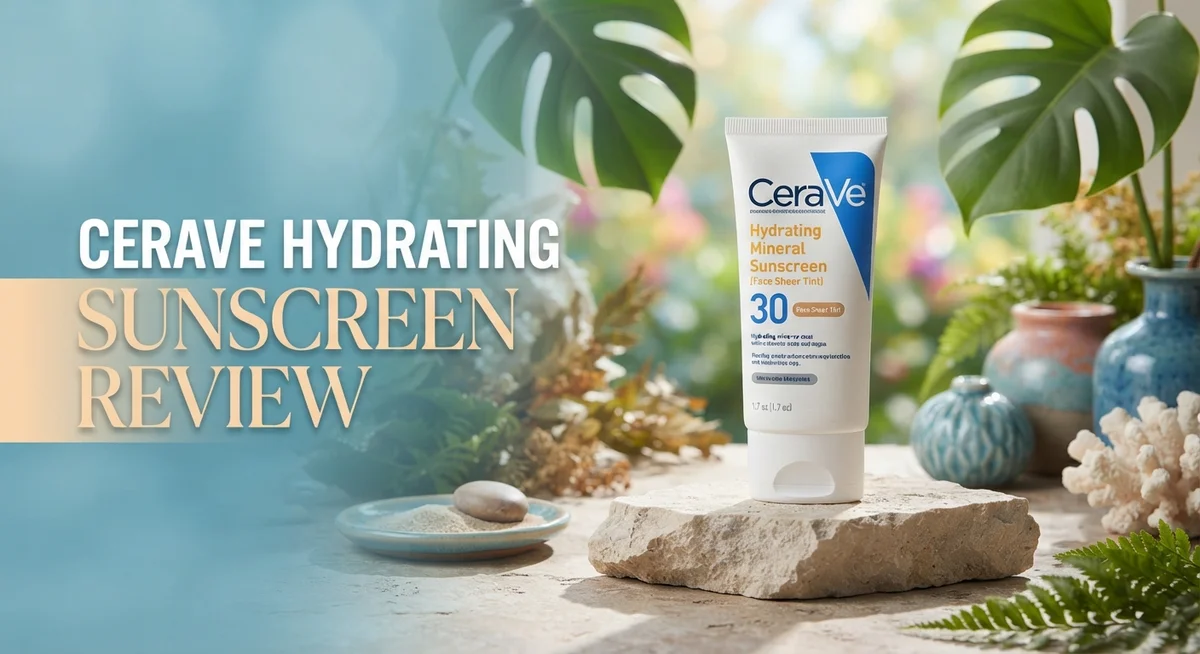
CeraVe Hydrating Sunscreen Review: SPF 30 & SPF 50 Mineral Protection
Dry skin needs a good sunscreen too. CeraVe Hydrating Sunscreen promises sun protection and moisture in one step. But does it really deliver on both fronts?
This sunscreen uses mineral filters like zinc oxide and titanium dioxide. It also packs ceramides, niacinamide, and hyaluronic acid into the mix.
These ingredients aim to calm skin and lock in hydration. Sounds perfect for dry or sensitive skin types, right?
But there is a catch. Many users notice a white cast after applying this sunscreen.
The texture also feels thick on the skin. So is this formula worth trying despite these issues?
We tested CeraVe Hydrating Sunscreen to find out. This review covers every detail you need. You will learn about its texture, performance, and how it compares to other CeraVe options.
Let’s explore if this sunscreen fits your skincare routine.
In a Nutshell
Here’s the quick rundown for busy readers. This sunscreen brings mineral protection and skin care together in one bottle.
- Hydration boost: Ceramides and hyaluronic acid work together to keep skin soft all day.
- Calming effect: Niacinamide helps reduce redness and soothes irritated skin.
- Gentle formula: It does not sting eyes or sensitive skin areas.
- The drawback: Expect a noticeable white cast that takes effort to blend in.
- Texture check: The lotion feels heavy and can leave a greasy shine on the face.
- Better for some skin types: People with dry skin may love it more than those with oily skin.
If a natural finish matters most to you, the CeraVe Tinted Sunscreen might suit you better. Those who dislike thick creams could try the CeraVe Hydrating Sheer Sunscreen SPF 30 instead.
Overall, this sunscreen shines for hydration but struggles with blendability. It works best as a night-in dry skin savior rather than a daily makeup base.
Key Ingredients and Formulation
CeraVe Hydrating Sunscreen uses a mineral-based protection system that sets it apart from chemical alternatives. The formula relies on zinc oxide and titanium dioxide as active ingredients. These minerals sit on top of your skin and reflect UV rays away from the surface.
What makes this sunscreen special is the addition of skincare actives. Ceramides form a protective barrier on your skin. This barrier locks moisture in and keeps irritants out. Hyaluronic acid pulls water into the skin layers below. Together, these ingredients work to prevent the dryness that sunscreen often causes.
Niacinamide adds another benefit to the mix. This ingredient reduces redness and calms inflamed skin. It also strengthens your skin’s natural defense system. For people with sensitive or reactive skin, this is a major advantage.
The formula skips common irritants that bother many users. There is no stinging sensation around the eyes or on sensitive areas. The sunscreen does not have that typical chemical sunscreen smell that some find overpowering. This makes daily application much easier for most people.
However, the ingredient list comes with trade offs. The mineral filters create a visible white cast on the skin. Darker skin tones may find this especially noticeable. Blending takes extra time and effort to achieve an even appearance.
The texture itself feels thick and heavy when you first apply it. This density comes from the hydrating ingredients packed into the formula. Your skin may feel greasy or shiny after application, particularly if you have oily or combination skin. The lotion does not absorb quickly like lightweight alternatives.
The ceramide and hyaluronic acid combination works best for dry skin types. If your skin already struggles with excess oil, this sunscreen might feel too heavy. The formula prioritizes moisture over a matte finish, which influences how it performs throughout the day.
Understanding these ingredients helps you decide if this sunscreen matches your skin’s needs. The protective minerals offer safety and efficacy. The hydrating actives provide skincare benefits. The trade off involves texture and appearance on the face.

- [ FACE SUNSCREEN & BODY SUNSCREEN WITH SPF 30 ] CeraVe sunblock helps protect your skin against harmful UVA and UVB...
- [ ZINC OXIDE SUNSCREEN ] Blend of Zinc Oxide with chemical sun filters provides the benefits of a mineral sunscreen...
- [ SUNSCREEN FOR SENSITIVE SKIN] this formula is fragrance free, paraben free, noncomedogenic, ophthalmologist...

Last update on 2026-08-31 / Affiliate links / Images from Amazon Product Advertising API
Texture and Application
When you pump this sunscreen out of the bottle, you immediately notice one thing: it’s thick. The consistency feels more like a moisturizing cream than a lightweight lotion. This density is intentional because the formula packs hydrating ingredients throughout.
The application process requires patience and technique. You need to warm the product between your fingers before spreading it across your face. Cold application straight from the bottle makes blending much harder. Work in small sections, gently rubbing the sunscreen in circular motions rather than quick strokes.
The white cast is real and noticeable. Mineral sunscreens naturally leave a visible layer on skin because zinc oxide and titanium dioxide sit on the surface. This isn’t a flaw—it’s how mineral protection works. However, you’ll spend extra time buffing and blending to achieve an even tone. Some users find this tedious, while others accept it as part of the process.
Once fully blended, the finish leans greasy rather than matte. Your face may look shiny within an hour of application, especially in the T zone. This makes it less ideal if you prefer a natural, powder-matte appearance. People with oily skin might feel uncomfortable with this heaviness.
The good news is that the texture doesn’t feel sticky or tacky once set. It sits comfortably on skin without that uncomfortable tugging sensation some sunscreens create. Your face won’t feel tight or uncomfortable throughout the day.
Application timing matters too. Allow 10 to 15 minutes after applying before going outside. This gives the formula time to fully absorb and provides optimal sun protection. Rushing out immediately reduces effectiveness.
For those with dry or sensitive skin, the thick texture actually works in your favor. The creamy consistency means better hydration lock throughout the day. Dry patches get smoothed out rather than emphasized. If you have combination or oily skin, you might want to try the lighter CeraVe Hydrating Sheer Sunscreen instead, which offers similar benefits without the heaviness.
Skin Types and Suitability
CeraVe Hydrating Sunscreen works best for dry and sensitive skin types. The ceramides and hyaluronic acid in this formula actively replenish moisture throughout the day. People with compromised skin barriers see real benefits from these hydrating ingredients.
If you have oily or combination skin, this sunscreen may feel too heavy for your needs. The thick texture can trap excess oil on your face. You might prefer a lighter alternative from the CeraVe line instead.
The mineral formula (zinc oxide and titanium dioxide) makes this sunscreen ideal for reactive and easily irritated skin. These physical blockers sit on top of your skin rather than absorbing into it. This means fewer chemical ingredients penetrate your pores. Niacinamide adds calming benefits that reduce redness and inflammation.
People with acne-prone skin should approach this sunscreen carefully. The greasy finish can potentially clog pores in some cases. However, the non-irritating formula and calming niacinamide make it worth testing if your acne stems from sensitivity rather than oil production.
Mature skin types often appreciate the hydration boost this sunscreen provides. Fine lines appear less noticeable when skin feels plump and moisturized. The ceramides support your skin barrier, which naturally weakens with age.
The white cast does present a challenge for darker skin tones. Mineral sunscreens inherently leave a visible layer that blends unevenly on deeper complexions. The CeraVe Tinted Sunscreen offers a better solution if this applies to you. It provides the same hydrating benefits without the casting issue.
Sun-sensitive skin benefits from the gentle, non-stinging formula. This sunscreen skips common irritants that trigger reactions. The mineral protection works immediately without activating after 15 minutes like chemical filters do.
Bottom line: Match this sunscreen to your skin type carefully. Dry, sensitive, and mature skin will love the hydration. Oily skin types should explore lighter CeraVe options first. Test a small amount before committing to full face application.
Top 3 Alternatives
Neutrogena Ultra Sheer Sunscreen

- Lightweight, fast-absorbing sunscreen lotion: With broad spectrum SPF 70 primes skin for makeup and helps improve...
- Non-comedogenic sunscreen: Free of oil, oxybenzone, and PABA, in a non-greasy lotion with a smooth, matte finish...
- Antioxidant vitamin E nourishes: While Helioplex technology provides stable broad spectrum protection against...
Last update on 2026-06-09 / Affiliate links / Images from Amazon Product Advertising API
Neutrogena Ultra Sheer offers a lightweight formula that works well for daily use. The sunscreen absorbs quickly into your skin without leaving a white cast. Many people appreciate how it feels non-greasy on their face, making it ideal for oily or combination skin types.
This option provides broad-spectrum protection and water resistance. You can apply it easily before heading outside. The texture feels smooth and doesn’t clog pores, which matters if you have sensitive skin. Users often notice their skin feels comfortable throughout the day.
La Roche Posay Anthelios

- Face sunscreen for oily skin with broad spectrum SPF 60 protection; Sunscreen absorbs pore clogging oil, even in...
- This daily face sunscreen provides advanced protection while absorbing pore-clogging oil. Our best sunscreen for...
- Non-comedogenic sunscreen for sensitive skin provides broad spectrum protection. Oil-free sunscreen for acne prone...
Last update on 2026-08-31 / Affiliate links / Images from Amazon Product Advertising API
La Roche Posay Anthelios stands out for its gentle formula that suits reactive skin. The sunscreen contains thermal water from La Roche Posay, known for calming properties. It provides excellent broad-spectrum coverage and water resistance for extended outdoor activities.
This product absorbs smoothly without leaving a sticky feeling. People with eczema or rosacea often choose it because it feels soothing. The formula works well under makeup and doesn’t interfere with other skincare products. You get reliable protection that feels lightweight on your face.
EltaMD UV Clear Sunscreen

- CLEAR SUNSCREEN FOR FACE: This lightweight face sunscreen with transparent Zinc Oxide provides broad spectrum SPF...
- FOR NORMAL, ACNE-PRONE, AND SENSITIVE SKIN TYPES: UV Clear uses an oil-free, non-comedogenic formula that’s...
- SUITABLE FOR HYPERPIGMENTED SKIN: Contains Niacinamide which helps to visibly improve skin tone and reduce the...
Last update on 2026-06-09 / Affiliate links / Images from Amazon Product Advertising API
EltaMD UV Clear delivers transparent coverage that doesn’t leave residue on darker skin tones. The sunscreen contains niacinamide, which helps calm irritated skin. It’s water-resistant and provides broad-spectrum protection for daily wear.
This option works especially well for acne-prone skin since it won’t aggravate breakouts. The formula feels weightless and absorbs quickly. Many dermatologists recommend it because it combines protection with skin-friendly ingredients. You can wear it alone or under other products without any problems.
Results and Effectiveness
Real users report noticeable hydration improvements within the first week of daily use. Your skin feels softer and less tight, especially if you struggle with dryness. The ceramides and hyaluronic acid work together to lock moisture into your skin barrier throughout the day.
The sunscreen’s effectiveness at blocking UV rays comes from zinc oxide and titanium dioxide. These minerals sit on top of your skin and reflect sunlight away. SPF 30 offers solid protection for daily activities, while SPF 50 provides extra coverage for extended outdoor time.
One key finding: the hydration benefits stack up over time. After two to three weeks, people with dry skin notice their complexion looks plumper and more even. The niacinamide reduces redness and calms irritation, which many users appreciate.
However, effectiveness depends heavily on how much you apply. Most people don’t use enough sunscreen to reach full SPF protection. You need roughly a quarter teaspoon for your face alone. Skimping on amount means you sacrifice both hydration and sun protection.
The white cast doesn’t disappear completely, even with thorough blending. This affects how well you can see the actual results on your skin. Darker skin tones may find it harder to verify even coverage. You might need to apply in sections and check each area carefully.
Sweat and water resistance matters too. This formula holds up moderately well during light exercise or humid weather. It doesn’t wash away instantly when you touch your face. For swimming or intense workouts, reapplication every 80 minutes is wise.
The real test comes after sun exposure. Your skin should feel protected without sunburn, and the hydration layer keeps your complexion comfortable. Most users report their skin feels better at the end of the day compared to using regular moisturizer alone.
Results vary based on your starting skin condition. Someone with very dehydrated skin sees faster improvements than someone with balanced moisture levels. The sunscreen works best as part of a complete routine, not as a standalone product.
White Cast and Blendability
CeraVe Hydrating Sunscreen leaves a visible white cast on skin. This happens because mineral sunscreens sit on top of your skin rather than absorbing into it. Zinc oxide and titanium dioxide create this opaque layer as they form a physical barrier against UV rays.
The blendability depends on your technique and skin tone. On lighter skin, you can work the product in with gentle circular motions, though some white tint remains. On deeper skin tones, the white cast becomes much more noticeable and harder to minimize, even with extra blending time.
Application pressure matters here. Use light fingertip motions instead of rubbing hard. Aggressive blending can actually make the white cast worse by pushing more product around. Pat the sunscreen gently into your skin and let it settle for a few minutes before going outside.
The texture plays a big role in how well this blends. The thick, creamy consistency means you need less product than you think. A pea-sized amount for the face goes a long way. Using too much will guarantee a chalky, unblended appearance.
Some users find that applying sunscreen over a light moisturizer helps with blending. The extra slip from the moisturizer can make the sunscreen spread more smoothly across your face. This trick works especially well if you have dry skin.
If the white cast bothers you, consider the CeraVe Tinted Sunscreen instead. The tint helps neutralize the mineral cast and gives a more natural finish. It’s a solid alternative if blendability is your main concern.
Another option is the CeraVe Hydrating Sheer Sunscreen SPF 30. This lighter formula blends more easily and feels less heavy on skin. You sacrifice some of the intense hydration, but you gain a cleaner appearance.
Bottom line: The white cast is real, but manageable with the right application method. Patience during application makes a noticeable difference. Skin tone, technique, and product amount all affect how visible the white cast becomes on your face.
Pros and Cons
Pros
- Delivers all day hydration thanks to ceramides and hyaluronic acid
- Soothes irritated skin with niacinamide, perfect for reactive types
- Mineral formula (zinc oxide and titanium dioxide) feels gentle and non stinging
- Restores your skin barrier while protecting from UV rays
- Works especially well for dry and sensitive skin that needs extra care
Cons
- Creates a noticeable white cast that’s hard to blend, especially on darker skin tones
- Feels thick and heavy, which may overwhelm oily or combination skin types
- Leaves a greasy, chalky finish that some users find uncomfortable
- Requires careful application technique and patience to blend properly without looking obvious
Who Should Buy It
This sunscreen works best for people with dry or sensitive skin who prioritize hydration over a lightweight feel. If your skin gets tight or flaky, the ceramides and hyaluronic acid will make a real difference for you.
You should consider this product if you deal with irritated or reactive skin. Niacinamide calms redness and reduces inflammation. The mineral formula (zinc oxide and titanium dioxide) won’t trigger sensitivity reactions like chemical filters sometimes do.
This sunscreen suits anyone who wants barrier repair alongside sun protection. Your skin barrier handles moisture retention and defense against irritants. CeraVe’s ceramide blend actively restores this barrier while you get UV coverage.
Skip this if you have oily or combination skin. The thick, greasy texture will sit heavy on your face. You’ll likely feel uncomfortable by midday, and the chalky finish won’t appeal to you.
Darker skin tones should know about the white cast issue. This mineral sunscreen leaves a visible residue that’s harder to blend on deeper complexions. The CeraVe Tinted Sunscreen or Hydrating Sheer Sunscreen SPF 30 might work better for your needs.
People who hate sunscreen texture should look elsewhere. This formula doesn’t feel light or silky. It requires patience during application and won’t give you that seamless, invisible finish some prefer.
Athletes and outdoor enthusiasts will appreciate the sweat and water resistance. You can rely on this for extended sun exposure if you reapply correctly.
Budget conscious shoppers who refuse to compromise on hydration will find value here. You get ceramides, niacinamide, and hyaluronic acid in one product. Many hydrating moisturizers cost more and don’t include SPF.
Bottom line: Buy this if dry, sensitive skin is your main concern and you don’t mind a visible white cast. Skip it if oily skin, quick blending, or a natural look matters most to you. Consider the tinted or sheer alternatives if the standard formula feels too heavy.
Final Verdict
CeraVe Hydrating Sunscreen stands out as a solid pick for skin that craves moisture. Its blend of ceramides and hyaluronic acid makes it feel like a treatment, not just sun protection.
This formula shines brightest when comfort matters more than a flawless matte look. It gives your skin a calm, protected feel throughout the day.
The mineral base means gentler protection without harsh chemical filters. That matters if you deal with sensitivity or easily irritated skin.
Still, this sunscreen asks for some patience. The blending process takes a bit of effort, and the finish is not for everyone.
If you value hydration and barrier support over a lightweight feel, this product earns its spot in your routine. It rewards users who take time with application.
Think of it as a skincare step first and a sunscreen second. That mindset shift makes the experience much smoother.
For daily wear under makeup, results vary. Some blend it seamlessly with primer, while others find it fights against a smooth base.
Overall, this sunscreen fits a specific need well. It is not a universal, grab and go option for every skin type.
People who want a multitasking formula will likely appreciate what it offers. Those chasing a weightless, invisible finish may want to look elsewhere.
The formula proves reliable for daily protection, especially for those already using CeraVe products in their routine. Consistency in ingredients helps skin adjust faster.
In short, this sunscreen delivers on hydration and barrier care. It asks you to trade some texture comfort for those benefits.
Your final decision should depend on your skin type and your patience with texture. If both align, this sunscreen can become a staple.
For anyone still undecided, testing a small amount first helps confirm compatibility before committing to daily use.
Frequently Asked Questions
Does CeraVe Hydrating Sunscreen work for oily skin?
Not really. This sunscreen has a thick, greasy finish that can feel heavy on oily or combination skin. The formula prioritizes hydration over a lightweight feel, so it may clog pores or sit on your skin uncomfortably. If you have oily skin, check out the CeraVe Hydrating Sheer Sunscreen SPF 30 instead. That version offers a lighter texture without the greasy residue.
Will this sunscreen leave a white cast?
Yes, it will. The mineral formula uses zinc oxide and titanium dioxide, which create a noticeable white cast. Blending takes extra time and patience, especially on darker skin tones. The CeraVe Tinted Sunscreen is a better choice if you want a more natural appearance without the chalky look.
Can I wear this under makeup?
Results vary here. The thick texture and greasy finish mean makeup may not sit smoothly on top. Some people find it works fine with the right primer, while others skip it for daytime makeup wear. Test it first on a day you’re staying home to see how your makeup behaves.
Is this sunscreen good for sensitive skin?
Absolutely. The mineral base feels gentle and non stinging on reactive skin. It contains ceramides and niacinamide, which calm and soothe irritation while restoring your skin barrier. This makes it excellent for people with eczema, rosacea, or skin that reacts easily to products.
How water resistant is it?
This sunscreen offers solid sweat and water resistance, so it works well for outdoor activities and swimming. You still need to reapply after toweling off or spending extended time in water, just like any sunscreen.

Meet Amelia, the adventurous soul behind TravelersEnthusiasm.com. With a heart set on exploration, she crafts tales that whisk readers from European alleys to Asian landscapes. Amelia‘s stories are genuine, reflecting her deep connections and reverence for diverse cultures. When not traveling, she’s sketching in cafes or exchanging tales with fellow wanderers.