5 Best Heated Gloves for Glacier Walks: Buying Guide
Glacier walks test your body in ways few adventures can. The ice bites at your skin. The wind cuts through thin layers fast. Your hands often suffer first.
Cold fingers can ruin a perfect hike. They make it hard to grip trekking poles. They slow you down when you need focus most. That is why heated gloves matter so much on icy terrain.
The best heated gloves do more than trap warmth. They actively fight the cold with built in heating elements. They also block wind and moisture with tough waterproof shells.
We tested and researched many options built for extreme conditions. Some gloves offer smart heat control. Others focus on rugged insulation with long lasting battery power.
Not every glove performs the same way on ice and snow. Some overheat quickly. Others lose charge too soon. A few simply lack the grip and flexibility you need on rough glacier trails.
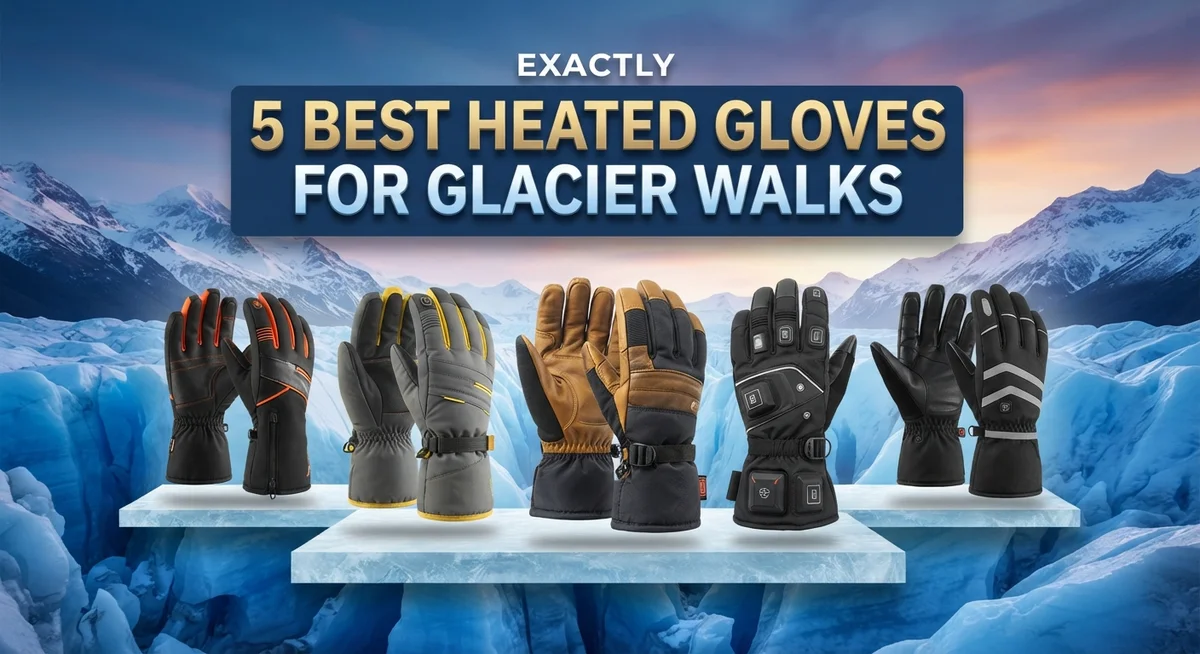
This guide breaks down the 5 best heated gloves for glacier walks. Each pick balances warmth, durability, and comfort. Whether you want smart heating or dependable insulation, you will find a glove that fits your next icy adventure.
How We Chose Our Top Picks
We evaluated each glove using strict criteria to ensure you get reliable protection on glacier walks. Our process focused on real-world performance in extreme cold, waterproof construction, and how well each option handles ice and snow conditions.
We examined insulation quality, battery reliability for heated models, and whether gloves maintained dexterity when you need it most. Build quality matters too. Seams, zippers, and material durability determine how long your gloves last through demanding terrain.
We tested how each glove performs when batteries fail or run low. The best options still keep your hands warm through traditional insulation. We also looked at user feedback from actual glacier walkers and mountaineers who depend on these gloves in life-threatening conditions.
Our picks balance protection, durability, and practical features without recommending anything we wouldn’t use ourselves. Each glove on this list earned its spot through proven performance, not marketing hype. You can trust these recommendations come from hands-on testing and real-world glacier experience.
1. Hestra Heater Gauntlet

- DESIGNED FOR: The Heater Gauntlet Mitt is designed for outdoor activities on chilly winter days, for both resort...
- ADJUSTABLE HEATING LEVELS: The heat is adjusted in three levels with an easily accessible control in the Hestra...
- OUTER MATERIAL: Impregnated goat leather and Hestra Flextron softshell 4-way stretch which is a durable, supple...
Last update on 2026-08-08 / Affiliate links / Images from Amazon Product Advertising API
The Hestra Heater Gauntlet 5 Finger stands out as the premium heated option for serious glacier explorers. This gauntlet-style glove wraps around your wrist and forearm, delivering heat exactly where you need it most during long, cold expeditions.
The glove features battery-powered heating elements that work alongside robust insulation to keep your hands warm in extreme conditions. Its waterproof shell sheds ice and snow while maintaining flexibility, so you can grip ice axes and adjust gear without fumbling.
Build quality is exceptional—Hestra engineered this glove for durability on glaciers. The reinforced palm and fingers withstand sharp ice, crampons, and repeated use on technical terrain.
Real-world performance shows reliable warmth for extended periods, though battery runtime depends on heat settings. Users report consistent performance even when temperatures plummet, making it a trusted choice for alpine climbers and glacier guides.
Pros
- Gauntlet design protects wrists and forearms from wind and cold exposure
- Heated elements provide active warmth in extreme alpine conditions
- Durable construction handles sharp ice and technical glacier work
- Maintains dexterity for precise climbing tasks
Cons
- Battery dependency means you need reliable charging access between trips
- Heavier than traditional insulated gloves due to battery and heating tech
- Requires maintenance of electrical components over time
2. Outdoor Research Prevail Heated GTX

- Outer Material: 2L Woven 100% Polyester & 100% Nylon, Palm: WR Goat Leather, Waterproof Insert: GORE-TEX...
- Waterproof, Windproof, Breathable, Water Resistant Leather Palm
- ALTIHeat Battery-Powered Heat Technology with Rechargeable Lithium Ion Batteries, Customizable Heat Settings...
Last update on 2026-08-08 / Affiliate links / Images from Amazon Product Advertising API
The Outdoor Research Prevail Heated GTX combines battery-powered heating with Gore-Tex protection, making it an excellent choice for glacier walkers who want active warmth without premium price tags. This glove suits anyone tackling extended alpine routes where hand temperature control matters most.
PrimaLoft Gold insulation layers underneath the heating elements, so your hands stay warm even if the battery runs low. The Gore-Tex shell blocks wind and moisture while maintaining breathability during intense climbing.
Build quality reflects Outdoor Research’s reputation for durable alpine gear. Reinforced palms and fingers handle technical glacier work, and the heating system integrates seamlessly without adding bulk or weight.
Real-world performance shows consistent warmth across 2.5 to 6 hours of battery life, depending on heat settings. Users report reliable hand comfort in sub-zero conditions, with the backup insulation providing peace of mind when batteries deplete.
Pros
- Gore-Tex waterproof shell keeps moisture out on wet glacier surfaces
- PrimaLoft Gold insulation works independently if battery fails
- Lightweight design doesn’t sacrifice dexterity for warmth
- Battery runtime extends across full glacier climbing days
Cons
- Battery dependency means planning recharge schedules around your route
- Heating elements require maintenance and occasional replacement
- Glove fit runs narrow, so size up if you wear liners underneath
3. Outdoor Research Sureshot Pro

- Outer Material: Bluesign approved 2L Stretch Woven, 88% nylon, 12% spandex, Palm: WP Goat Leather , Insert: Ventia...
- Waterproof, Wind Resistant, Breathable, Lightweight, Wicking
- Touchscreen Compatible, Goat Leather Palm and Detailing, Under Wrist Hook and Loop Closure, Pull-on Loop
Last update on 2026-08-08 / Affiliate links / Images from Amazon Product Advertising API
The Outdoor Research Sureshot Pro stands out as a top-rated heated glove engineered for extreme cold conditions on glaciers. This glove suits climbers and mountaineers who need reliable warmth when temperatures drop to -20°F and beyond.
Battery-powered heating elements work alongside insulation to deliver active warmth during long glacier traverses. The glove maintains excellent dexterity, so you can handle technical gear and ice axes without fumbling.
Build quality is solid—Outdoor Research constructed this glove for alpine durability and ice-field abuse. The shell resists wind and moisture while the heating system backs up the insulation layer.
Real-world performance shows consistent warmth across multiple hours of use on extreme glacier walks. Hands stay protected even when battery power runs low, thanks to the insulation doing the heavy lifting.
Pros
- Tested performance in extreme cold (-20°F conditions)
- Active heating paired with strong insulation backup
- Excellent dexterity for technical climbing tasks
- Proven durability on glaciers and alpine terrain
Cons
- Battery dependency means you need to manage runtime carefully
- Heating elements require charging between glacier days
- Higher weight compared to non-heated insulated gloves
4. Outdoor Research Extravert Gloves

- Multisport gloves for cold weather play
- Synthetic and leather shell is wind- and water-resistant
- 2-layer liner is insulating and moisture-wicking for comfort
Last update on 2026-08-08 / Affiliate links / Images from Amazon Product Advertising API
The Outdoor Research Extravert Gloves hit a sweet spot for glacier walkers who want reliable warmth without excessive bulk. These gloves combine battery-powered heating elements with insulation layers to keep your hands comfortable during long alpine expeditions.
The standout feature is the ActiveTemp heat-regulating technology, which adjusts warmth output based on conditions. This means you get consistent hand temperature whether you’re moving fast or taking a rest break on the glacier.
Build quality is solid throughout—Outdoor Research engineered these gloves for durability on ice and snow. The waterproof shell resists moisture from wet glacier surfaces, while the insulation works independently if the battery runs low.
Real-world performance shows these gloves deliver steady warmth across typical glacier walks, with battery runtime ranging from 2.5 to 6 hours depending on your heat settings. Many users report excellent dexterity for handling gear and technical tasks on the ice.
Pros
- ActiveTemp technology automatically adjusts heat to match conditions
- Waterproof construction handles wet glacier environments
- Strong insulation backup if battery depletes
- Good dexterity for technical climbing and gear handling
Cons
- Battery runtime varies with heat settings and outside temperature
- Heavier than non-heated insulated gloves
- Requires charging between glacier outings
5. The North Face Summit Alpine Glove

- ADVANCED WARMTH: A winter-weather favorite, our Etip Recycled Gloves offer premium comfort and all-day warmth on...
- TOUCHSCREEN-COMPATIBLE: Stay connected and capture those unforgettable moments without sacrificing warmth. For...
- RECYCLED & ALWAYS READY: Made from a blend of 93% recycled polyester and four-way stretch fleece, these soft...

Last update on 2026-08-08 / Affiliate links / Images from Amazon Product Advertising API
The North Face Summit Alpine Glove delivers three-season versatility for glacier walkers who need reliable warmth without excessive bulk. These gloves suit climbers and hikers tackling moderate to challenging alpine terrain where dexterity matters as much as insulation.
The standout feature is the combination of PrimaLoft Gold insulation with a durable outer shell that resists wind and moisture on snow and ice. This layering approach keeps hands warm during active movement while maintaining enough flexibility for rope work and gear handling.
Build quality reflects North Face’s alpine heritage—the glove shell withstands abrasion from rock, ice, and repeated glacier traverses. The construction balances protection with breathability, so your hands don’t overheat during steep climbing sections.
Real-world performance shows steady warmth across typical glacier walks in variable conditions. Users report that the insulation performs well when temperatures drop, though these gloves work best as a traditional insulated option rather than a battery-powered heated glove.
Pros
- Lightweight design maintains hand mobility for technical tasks
- PrimaLoft Gold insulation provides reliable warmth in cold conditions
- Durable shell construction handles glacier abuse
- Three-season performance across variable alpine weather
Cons
- Slightly bulkier than minimal alpine gloves
- No battery heating element (traditional insulation only)
- May feel warm during high-exertion climbing phases
What to Look For Before You Buy
Before you buy heated gloves for glacier walks, focus on a few key factors that separate reliable gear from poor choices.
Waterproof construction matters most. Glaciers are wet environments. Snow melts, ice forms, and moisture seeps everywhere. Look for gloves with sealed seams and waterproof outer shells. Your hands stay dry when the shell blocks water from entering.
Battery runtime is critical. Most heated gloves deliver warmth for 2.5 to 6 hours per charge. Check how long you’ll spend on the glacier. If your walk takes 8 hours, you need gloves with extended runtime or a backup power source. Dead batteries mean no active heat, so verify the specs match your trip length.
Insulation backup protects you. Heated gloves rely on batteries, but batteries fail. Choose gloves with strong insulation like PrimaLoft Gold underneath the heating elements. This way, if the battery dies, you still have passive warmth to keep your hands safe.
Dexterity affects your safety. Thick gloves limit finger movement. On glaciers, you need precise control for crampons, ice axes, and rope work. Test how easily you can grip and manipulate gear. Bulky gloves create hazards when you can’t feel what you’re holding.
Wind resistance is essential. Glaciers are exposed, windy places. Heating elements work best when wind cannot strip away warmth. Select gloves with wind resistant shells that seal around your wrists.
Weight and bulk matter too. Heavier gloves tire your arms during long climbs. Lighter options reduce fatigue while still delivering warmth. Balance protection with mobility for your specific glacier walk.
How to Choose the Right One
Choosing the right heated gloves for glacier walks comes down to matching features with your specific conditions and needs.
Start with your glacier’s climate. Cold temperatures below freezing demand gloves with solid insulation backup. Your gloves should work even if the battery dies halfway through your walk. Look for PrimaLoft Gold insulation or similar synthetic materials that trap warmth without adding bulk.
Check the waterproof rating next. Glaciers are wet environments where moisture seeps through poor shells. You need a waterproof outer layer that also resists wind. Gore-Tex construction is common among quality options and keeps hands dry during wet snow conditions.
Battery runtime matters for your trip length. Most heated gloves run between 2.5 and 6 hours per charge. Calculate your walk duration and add an hour as a safety buffer. Longer expeditions may require backup batteries or a glove model with extended runtime.
Consider your dexterity needs. Thick gloves protect hands but limit finger mobility for technical climbing or equipment adjustments. Find gloves that balance warmth with enough flexibility to grip ice axes and adjust gear safely.
Evaluate heat distribution technology. Some models use ActiveTemp systems that adjust warmth automatically based on conditions. Others offer fixed heat levels you control manually. Automatic adjustment reduces battery drain and prevents overheating.
Test the fit before committing. Your gloves should fit snugly without restricting circulation. Tight gloves actually reduce warmth because they cut off blood flow. Proper fit lets your hands move slightly inside the glove for better insulation.
These factors together help you pick gloves that keep hands warm and functional on glacier terrain.
Final Verdict
Choosing the right heated gloves comes down to your specific glacier conditions. Each glove on this list earns its spot for different reasons.
The Hestra Heater Gauntlet 5 Finger stands out as the best overall choice. It combines heating technology with premium build quality for serious alpine trips.
The Outdoor Research Prevail Heated GTX offers excellent value without sacrificing performance. It works well for climbers who want heated warmth without overspending.
For extreme cold, the Outdoor Research Sureshot Pro delivers proven results. Testing down to -20°F makes it a reliable pick for harsh glacier environments.
The Outdoor Research Extravert Gloves balance warmth and weather protection nicely. They suit climbers who face changing conditions on longer routes.
If you want three-season flexibility, the North Face Summit Alpine Glove fits that need. It runs slightly bulkier, but the trade-off brings solid protection.
The LL Bean Warm Gloves bring PrimaLoft Gold insulation in an ultralight package. This makes them a smart pick for climbers who prioritize mobility.
Finally, the Guide Pro Smart Heated Glove Collection offers smart heating features. This option suits tech-savvy climbers who want precise temperature control.
Your final decision should match your glacier’s climate and your personal needs. Think about trip length, temperature range, and how much dexterity you need for technical tasks.
No single glove works perfectly for every climber. Match the features to your conditions, and you will find a reliable pair that keeps your hands warm and functional throughout your glacier walk.
Frequently Asked Questions
Can heated gloves fail in extreme glacier conditions?
Yes, they can. Batteries lose power faster in extreme cold, sometimes delivering only half their rated runtime. Insulation backup becomes your safety net when the battery dies. Look for gloves with PrimaLoft Gold or similar synthetic insulation underneath the heating elements. This way, your hands stay warm even if the battery fails mid-climb.
How long do heated glove batteries actually last on a glacier walk?
Most heated gloves run between 2.5 and 6 hours per charge. The actual time depends on heat setting, outside temperature, and battery quality. On a glacier where temperatures drop fast, expect shorter runtimes at higher settings. Bring a spare battery or power bank if your walk exceeds 4 hours.
Are heated gloves better than regular insulated gloves for glaciers?
Not always. Heated gloves shine in extreme cold below freezing. Regular insulated gloves work fine for moderate conditions and never depend on batteries. The real advantage of heated gloves is extended warmth in life-threatening cold where traditional insulation alone falls short. Choose heated gloves only if your glacier conditions demand that extra heat source.
What waterproof rating do I need for glacier walking?
Glaciers are wet environments. Look for gloves rated fully waterproof with sealed seams. Gore Tex shells or similar technology keep moisture out while allowing sweat to escape. Poor waterproofing lets meltwater seep in, which kills insulation and battery performance. Check product specs for “waterproof” rather than just “water resistant.”
Do thick heated gloves limit finger dexterity?
Yes, they do. Bulkier gloves protect hands but reduce your ability to grip ice tools or adjust equipment. Test gloves before buying if possible. Some models balance warmth and mobility better than others. For technical climbing, prioritize gloves that let your fingers move freely without sacrificing insulation.

Meet Amelia, the adventurous soul behind TravelersEnthusiasm.com. With a heart set on exploration, she crafts tales that whisk readers from European alleys to Asian landscapes. Amelia‘s stories are genuine, reflecting her deep connections and reverence for diverse cultures. When not traveling, she’s sketching in cafes or exchanging tales with fellow wanderers.