
1 Best Travel Photography Gear for Stunning Shots
When hunting for that perfect travel photography gear, you want something lightweight yet capable of capturing sharp, vibrant images in all conditions. Picture a compact camera with adjustable filters, weatherproofing, and versatile lenses that handle everything from wide landscapes to close-up details without weighing you down. High-capacity batteries and reliable power sources mean more shots on the go, even off-grid. Curious how to choose gear that truly elevates your journey’s visual story? Let’s explore what makes certain options stand out.
Photography Outdoors: A Field Guide for Travel & Adventure Photographers

- Mark Gardner (Author)
- English (Publication Language)
If you want to take clear and nice outdoor photos, “Photography Outdoors: A Field Guide for Travel & Adventure Photographers” is a good choice. It is especially helpful if you are new to outdoor photography or prefer simple, practical tips. This small book covers basic camera skills, like how to change settings and deal with tricky outdoor conditions. It explains what equipment to use, including accessories that are easy to carry and tough enough for outdoor use. The guide also shares ways to edit photos on your computer, such as adding filters or combining images, so your photos look even better. Whether you want to photograph animals or city streets, this book gives easy instructions that make outdoor photography less hard and more fun.
Best for: Beginners or travelers who want a simple, clear guide to help them get better at outdoor photography and feel more confident while shooting.
Pros:
- Short and easy to understand, good for all skill levels
- Teaches important camera tips and gear ideas for outdoor photos
- Offers basic editing advice to improve your pictures
Cons:
- Not detailed enough for advanced or professional photographers
- Doesn’t cover very complex techniques
- Might be less useful if you want very in-depth info or professional guidance
Factors to Consider When Choosing Travel Photography Gear for Stunning Shots
When selecting travel photography gear, it’s essential to prioritize lightweight and compact options that won’t weigh you down after hours of exploring. You should also consider versatility and compatibility, ensuring your gear can handle different scenarios—from wide landscapes to tight portraits—all while withstanding environmental challenges like rain or dust. Plus, analyzing optical quality, battery life, and durability standards helps you avoid gear failures that could turn your adventure into a real photo-fumble.
Lightweight and Compact Design
Choosing travel photography gear that is lightweight and small can make a big difference. Light gear is easier to carry, so you won’t get tired during long walks or adventures. Smaller gear fits better into your backpack or bag, making packing simple. It also makes it easier to move quickly through busy streets or tough terrain. Tiny gear helps you stay hidden from animals or people, which is important when you take photos of wildlife. Plus, small gear is faster to set up and take down. This saves you time when you want to capture the perfect shot. Whether you climb a mountain or walk around a city, lightweight and compact gear helps you stay agile, quiet, and ready to take photos at any moment.
Versatility and Compatibility
When choosing gear for travel, pick lightweight and small items. But also think about how flexible and compatible they are. Look for accessories like adjustable lens filters or mounts that can handle different shooting situations. Whether it’s bright sun, low light, or tricky angles, your gear should be easy to adapt. Make sure your camera works well with your batteries, chargers, and memory cards. This helps you avoid problems when you’re elsewhere. Choose systems that are easy to upgrade or change parts. This way, you won’t need to carry many different pieces of gear. Also, think about how your gear connects to power when you’re abroad. Using plug adapters and knowing the voltage makes shooting easier. Multi-purpose tools, like zoom lenses or all-in-one filters, help keep your gear simple. They save space and let you capture many kinds of shots quickly.
Environmental Durability Standards
If you want your travel gear to handle tough adventures, it needs to be durable. Look for gear with at least an IPX4 water resistance rating. This keeps your stuff safe from splashes and light rain. If the gear is dust-proof, it can keep sand and dirt out. Features like sealed lenses and weather-proof bodies help. Shockproof gear can survive drops and bumps. This is important when you hike rocky trails or climb mountains. Check if your gear can work in hot or cold weather. Many items work well from -10°C to 40°C. You can also add covers or cases for extra protection. These blocks dirt, water, and scratches. Good gear should work in all kinds of weather and environments.
Optical Quality and Precision
When you take photos during your trips, the quality of the camera’s lenses matters a lot. Good lenses make your photos sharp, clear, and full of lively colors. They are made with special glass parts and coatings that help cut down on blurry edges, color distortions, and dark areas in the corners. This means your pictures stay vibrant and detailed, even in tricky lighting. Well-made lenses also let more light through, which helps reduce glare and reflections that can ruin bright photos. Having precise manufacturing means your camera can focus quickly and accurately. This makes it easier to capture moments clearly, whether you are close up or far away. Tightly built lenses ensure your camera focuses exactly where you want it to. All these features help you get sharp, professional-looking photos no matter where you are.
Power and Battery Life
Power and battery life matter a lot when you use your camera. Sometimes, you don’t notice how much you use it until the battery runs out at a perfect moment. To avoid missing good shots, check your camera’s battery capacity. It’s measured in milliamp-hours (mAh). A bigger number usually means longer use. Bring extra batteries or portable chargers, especially if you’re somewhere without outlets. Long hikes or remote locations often mean no easy way to charge. Using accessories like external flashes can use more battery. Think about how much energy they need before using them. Turn on power-saving modes and turn off features you don’t need, like Wi-Fi or image stabilization. Keep batteries warm if it’s cold outside. Cold weather makes batteries lose charge fast. Being ready helps you capture great pictures without worries.
FAQs
How Do I Protect My Gear From Harsh Weather Conditions?
You should protect your gear from harsh weather by using weather-resistant cases, waterproof covers, and lens filters. Keep your equipment dry and safe, and avoid exposing it to rain, snow, or extreme temperatures.
What Are the Best Storage Options for Travel Photography Equipment?
You should use padded, waterproof containers or hard cases with foam inserts to protect your gear. These options keep your equipment safe from impacts, moisture, and dust, ensuring your gear stays secure and ready for action during your travels.
How Can I Ensure My Gear Is Secure While Traveling?
You can keep your gear secure by using lockable bags, keeping it close in crowded areas, and avoiding displaying expensive equipment openly. Regularly check your belongings, use theft-proof backpacks, and stay aware of your surroundings.
What Lightweight Accessories Enhance Travel Photography Convenience?
Focusing on lightweight accessories, you can enhance your travel photography convenience by carrying compact tripods, versatile lens filters, small portable reflectors, and finger grips. These tools make capturing stunning shots easier without adding bulk to your gear.
How Do I Maintain and Clean My Photography Gear on the Go?
You should regularly wipe your gear with a soft, lint-free cloth and carry a small cleaning kit. Keep everything in protective cases, avoid dust, and gently clean lenses with appropriate supplies to maintain your gear on the go.
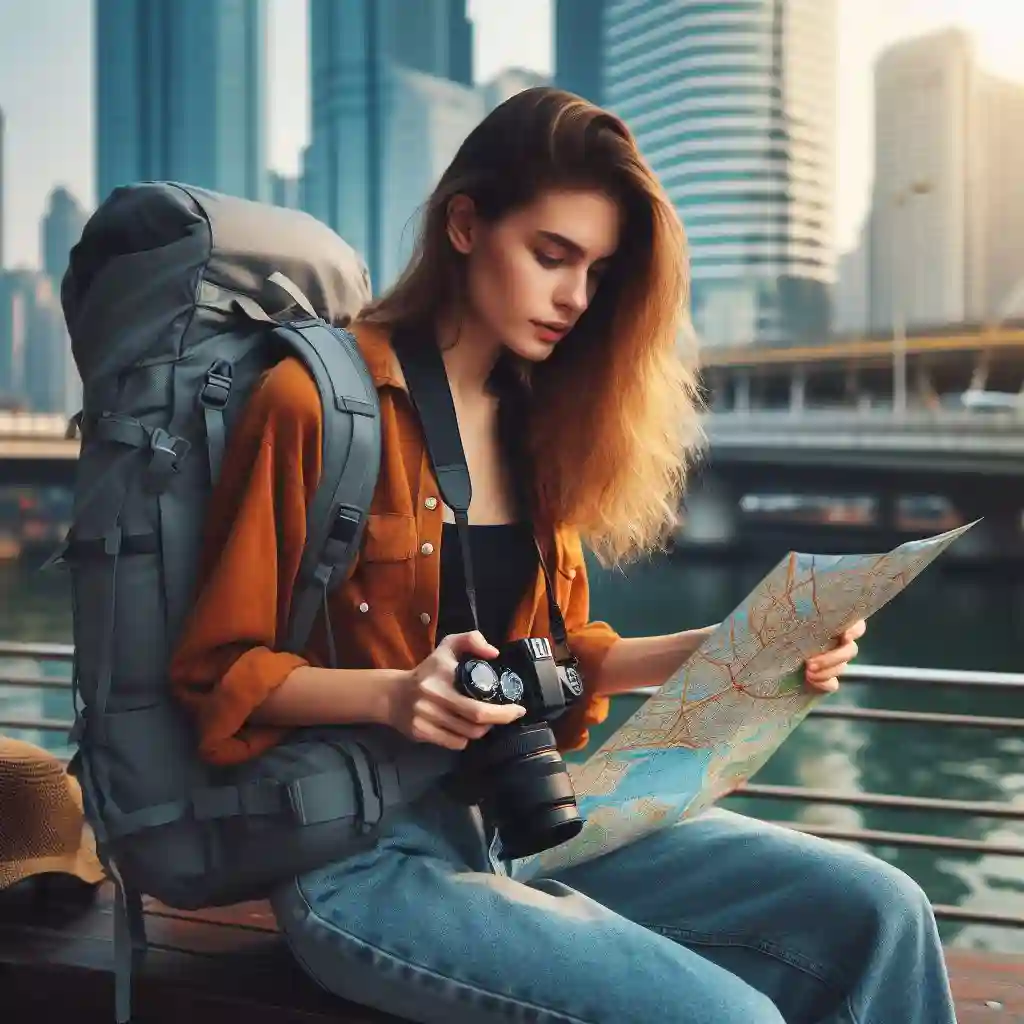
Meet Amelia Raina, the adventurous soul behind TravelersEnthusiasm.com. With a heart set on exploration, she crafts tales that whisk readers from European alleys to Asian landscapes. Raina’s stories are genuine, reflecting her deep connections and reverence for diverse cultures. When not traveling, she’s sketching in cafes or exchanging tales with fellow wanderers.
Last update on 2026-03-09 / Affiliate links / Images from Amazon Product Advertising API
