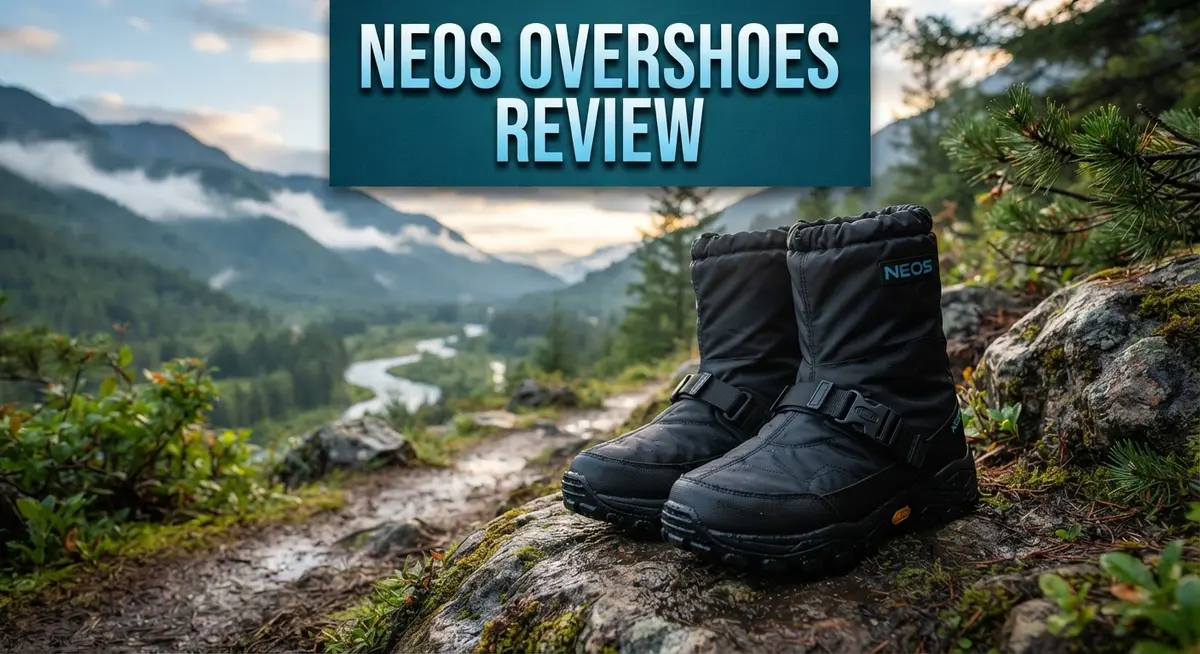
NEOS Overshoes Review: Waterproof Protection for Winter
Wet, cold feet can ruin any winter day. You step in slush and instantly regret your shoe choice. That’s where NEOS overshoes come in to save the day.
These pull-on covers slide right over your regular shoes or boots. No need to buy new winter footwear at all. You just add a waterproof layer when the weather turns rough.
NEOS overshoes block snow, rain, and slush with ease. Many models add insulation for extra warmth on frigid days. Users often praise them for keeping feet dry during long outdoor tasks.
But do they work well on ice? Are they easy to size correctly? This review breaks down every detail you need.
We’ll cover the pros, the cons, and how NEOS compares to other brands. By the end, you’ll know if these overshoes fit your needs perfectly.
In a Nutshell
-
Waterproof coverage: NEOS overshoes shield your feet from snow, rain, and slush. They slip on fast over almost any shoe or boot.
-
Insulated choices: Some models add insulation for extra warmth on freezing days. This helps in frigid conditions where regular shoes fail.
-
Light but tall: Each pair weighs about 24.2 oz, yet the Explorer model stands 11 inches tall for full coverage.
-
Bulky fit: The overshoes can feel bulky, especially when worn over thick winter boots. This may affect comfort during long wear.
-
Traction concerns: Grip on ice and slippery surfaces is not the strongest feature. Extra caution helps on icy paths.
-
Sizing confusion: Some buyers find sizing tricky, especially with work or combat boots. Checking the size chart first can save trouble.
-
User trust: Many users praise NEOS for keeping feet dry and comfortable in wet weather. This makes them a solid pick for daily winter use.
Material and Construction Quality
NEOS overshoes use a simple but effective construction. The outer shell combines rubber and PVC materials. These substances work together to create a waterproof barrier that stops moisture from entering.
The fabric upper sits inside the rubber base. This fabric layer adds comfort against your skin. The combination of rubber, PVC, and fabric creates a flexible shoe cover that moves with your foot.
The pull-on design makes these overshoes easy to use. You simply slide them over your existing shoes or boots. No laces, buckles, or complicated fasteners slow you down. This straightforward approach appeals to people who need quick protection from wet weather.
The Explorer model reaches 11 inches tall. This height covers most of your ankle and lower leg. The extra coverage keeps snow and slush away from your socks and pants. The taller design works well for deep snow or muddy conditions.
Weight matters when you wear overshoes all day. At approximately 24.2 oz per pair, NEOS overshoes stay relatively light. You won’t feel like you’re dragging heavy boots through the snow. This light weight helps reduce foot fatigue during long outdoor activities.
Sizing requires attention when you order. NEOS offers multiple sizes from Medium to Large and beyond. The company recommends sizing up if you plan to wear them over work boots or combat boots. Thick winter boots need extra room inside the overshoe. Many customers report confusion here, so measuring your boot size carefully before ordering helps avoid returns.
The insulated models add an extra layer inside. These models provide warmth for extremely cold days. The insulation traps heat without adding much bulk. Some insulated versions come with cleats attached to the bottom. These cleats give you extra grip on icy surfaces, though users note that traction improvement remains modest.
Overall, NEOS constructs overshoes with practical materials and a no fuss design. The rubber and PVC exterior does its job keeping water out. The fabric lining provides comfort during wear. The pull-on style saves time when you need protection fast. Simple construction often means fewer things can break or fail.
No products found.
Waterproofing and Weather Protection
NEOS overshoes deliver solid waterproof protection when you need it most. The rubber and PVC construction blocks water from entering, keeping your feet dry during rain, snow, and slushy conditions. This is their main strength.
The waterproof barrier works because water cannot pass through the rubber base. Rain rolls off the exterior. Slush stays outside your shoes. Snow does not seep in around the edges when you size correctly. Users consistently report that their feet stay dry even after hours in wet conditions.
Insulated models go further. They add a warm lining inside the overshoe. This extra layer traps heat around your feet on freezing days. If you work outdoors in winter or spend time in arctic conditions, the insulation makes a real difference. Your feet get both dry protection and warmth at the same time.
The tall design matters too. The Explorer model reaches 11 inches high. This height covers more of your leg and boot, reducing the chance that water splashes over the top. Taller coverage equals better protection on days when snow piles up or water runs deep.
However, weather protection has limits. The overshoes work best on wet surfaces, not icy ones. Ice and slippery terrain expose a weakness. The sole does not grip well on frozen ground. If you walk on icy sidewalks or slick trails, these overshoes may not keep you safe from slipping. Cleats help but do not fully solve the problem.
Sizing affects weather protection too. If your overshoes are too loose, water can enter from the sides. If they are too tight, they become uncomfortable and may tear. Getting the right fit ensures the waterproof material actually seals around your existing shoes.
NEOS overshoes excel at blocking water and keeping feet dry in snow and rain. The insulated options add warmth for cold days. The tall height provides good coverage. But expect limited grip on ice, and measure carefully before ordering to ensure the waterproof seal works as intended.
Fit, Sizing, and Comfort
Getting the right size matters more than you think with NEOS overshoes. These pull-on covers slip over your existing footwear, so you need to account for what’s already on your feet.
NEOS offers multiple sizes like Medium and Large. The key rule is simple: size up if you wear work boots or combat boots. Your regular shoe size might not work. A Medium overshoe fits standard sneakers well. But thick winter boots need a Large or even extra-large size.
The bulky fit is something you’ll notice right away. NEOS overshoes wrap around your shoes with a loose, generous cut. This design choice helps them slip on easily, but it also means extra fabric and rubber around your ankles and toes. Some people love this roominess. Others find it feels clunky at first.
Comfort improves once you adjust to the fit. The fabric upper sits inside the rubber base, creating a soft inner surface against your shoes. The pull-on design means no straps or buckles to fiddle with. You simply slide them on and go. This ease of use is one reason many users stick with NEOS.
Weight plays a role in comfort too. Each pair weighs about 24.2 oz, which is light for overshoes. You won’t feel exhausted after wearing them all day, even though they cover your entire shoe.
The insulated models add an extra layer inside. This creates a thicker, warmer barrier against cold ground. The trade-off is a slightly tighter fit. Make sure you size up when choosing insulated versions.
Sizing confusion happens because many buyers underestimate how much room they need. Read the sizing chart carefully. Measure your boot width and height. Contact customer service if you’re between sizes. Getting the fit right makes all the difference in how comfortable these overshoes feel during long outdoor days.
Top 3 Alternatives
Tingley Rubber Overshoes

- The product is Ankle high overshoe

Last update on 2026-08-31 / Affiliate links / Images from Amazon Product Advertising API
Tingley makes overshoes that slip over your regular shoes. These covers protect your footwear from mud, water, and salt. The rubber material stays flexible even in cold weather. You can wear them with most shoe sizes because they stretch to fit.
The soles grip wet surfaces well. Tingley overshoes work for indoor and outdoor use. Many people choose them for construction sites and wet work environments. The elastic closures keep them secure while you walk.
Sloggers Waterproof Shoe Covers

- Waterproof and Non-Slip: Our LSDWL shoe covers for rain are made of high quality silicone material specifically...
- Easy to Carry: The rain shoe covers waterproof is very soft,easy to fold and store in your pocket or bag.Thickened...
- Wide Range of Application: No matter rain or mud,our silicone rain covers for shoes are suitable for...
Last update on 2026-08-31 / Affiliate links / Images from Amazon Product Advertising API
Sloggers offers waterproof shoe covers designed for gardeners and outdoor workers. These covers feature a lightweight design that doesn’t add bulk to your feet. The material breathes better than solid rubber, which reduces sweat buildup.
The covers slip on and off quickly. You get easy access without struggling with straps or complicated closures. Sloggers covers work well for short outdoor tasks. The traction pattern on the bottom prevents slipping on wet grass and soil.
Muck Boot Overshoes

- CLEATED OUTSOLE GRIP: Four-way cleated outsole provides reliable traction on slick, slushy, and uneven surfaces...
- WATERPROOF PVC SHELL: Made from flexible PVC, these waterproof slush boots keep feet dry and protected from water...
- UNISEX OVERSHOE FIT: Designed for men and women, this classic fit overshoe slips easily over work boots for added...
Last update on 2026-08-31 / Affiliate links / Images from Amazon Product Advertising API
Muck Boot creates overshoes that handle tough conditions. Their covers use durable rubber that resists punctures and tears. The insulation in some models keeps your feet warm in cold weather.
These overshoes fit snugly around your existing shoes. The ankle support prevents dirt and debris from entering from the top. Muck Boot covers suit people who work in farms, gardens, and construction zones. The reinforced heel area lasts longer under heavy use. You’ll find these covers comfortable for extended wear throughout the day.
Traction and Slip Resistance Performance
When you step onto icy surfaces or wet pavement, grip matters. NEOS overshoes have a real weakness here. The rubber sole does not offer strong anti-slip performance, especially on frozen ground or slick conditions.
Users report that traction on ice falls short compared to dedicated ice boots with specialized cleats. The standard rubber base provides basic grip on dry or wet surfaces, but it struggles when temperatures drop and ice forms. If you walk on frozen terrain regularly, you’ll notice the slip risk quickly.
Some NEOS models include optional cleats or spikes. These add-ons help improve traction significantly. However, the base design alone does not deliver the grip you might expect from premium winter footwear. The rubber compound simplyWhen you step onto icy surfaces, grip matters more than anything else. NEOS overshoes have a significant limitation here. The rubber base does not provide strong anti-slip performance on frozen ground.
Many users report that these overshoes struggle on ice and slippery terrain. The smooth rubber sole lacks the aggressive tread pattern you need for winter conditions. If you walk on icy driveways or frozen sidewalks regularly, this is important to know.
Optional cleats make a real difference. Some NEOS models come with cleat attachments. These metal studs dig into ice and give you better footing. Without them, you rely on the basic rubber sole alone. The cleats transform the traction experience on slick surfaces.
The traction performance varies based on your specific model. The Explorer model, for example, does not automatically include cleats in every version. You need to check the product details carefully. Adding cleats upgrades your grip significantly.
Wet surfaces present another challenge. Rain, slush, and snow-covered ground can feel slippery even without ice. The rubber material does not bite into these surfaces as well as specialized winter boots do. Your feet may slide more than you expect on wet pavement.
The bulky fit actually works against traction too. When overshoes feel loose or shift on your feet, your stability decreases. Proper sizing becomes critical for maintaining good grip. A shoe that moves around cannot grip the ground effectively.
For everyday winter walking on normal surfaces, the basic traction works adequately. You won’t slip constantly on regular pavement or light snow. However, if you need reliable grip on ice, frozen hills, or steep slopes, NEOS overshoes without cleats fall short.
Consider your environment carefully. If your area gets frequent ice, invest in the cleat option. If you mostly face wet snow and rain, the standard rubber sole performs better. NEOS overshoes excel at keeping feet dry, but traction remains their weakest feature. You should prioritize this factor when deciding if they fit your winter needs.
Insulation and Temperature Rating
NEOS overshoes come in both insulated and non-insulated versions. The insulated models add an extra thermal layer inside to keep your feet warm during cold weather use. This layer makes a real difference when temperatures drop significantly.
The insulation quality works by trapping warm air close to your feet. Your existing shoes provide the base warmth, and the NEOS insulation adds protection on top. This two-layer approach keeps feet comfortable in frigid conditions without requiring specialized winter boots underneath.
Temperature ratings vary by model. The Explorer model and similar options are built for serious cold weather work. Users report success wearing these overshoes during extended outdoor time in snow and freezing rain. The insulation prevents heat loss through the rubber exterior.
Non-insulated models serve different purposes. These work better for mild winter weather or situations where you need waterproofing without extra bulk. They’re lighter and easier to store when temperatures aren’t extreme. Many users choose non-insulated versions for transitional seasons.
The insulation adds weight to the overshoes. You’ll notice this if you wear them all day long. The trade-off is worthwhile for cold weather, but some users prefer lighter options for occasional use.
Sizing affects insulation performance too. A proper fit means the thermal layer stays close to your foot. Loose overshoes allow cold air to enter gaps and reduce warmth. This is why following the sizing chart matters for temperature protection.
The rubber material itself provides some insulation. It doesn’t conduct cold as quickly as metal or thin plastic. Combined with the fabric upper and optional thermal lining, NEOS creates a barrier against freezing conditions.
Moisture management impacts warmth as well. Wet feet lose heat rapidly, even with insulation present. NEOS overshoes keep moisture out, which preserves the insulation’s effectiveness. Dry feet stay warmer feet, making the waterproof design essential for temperature control.
For extreme cold environments, the insulated models perform reliably. Users working in harsh conditions report satisfaction with temperature protection. However, these overshoes aren’t designed for mountaineering or glacier travel where specialized ice boots are necessary.
Pros and Cons
Pros
- Waterproof protection keeps your feet dry in snow, slush, and heavy rain
- Insulated models provide reliable warmth in extreme cold environments
- Lightweight and easy to slip on over your existing shoes without fuss
- Users consistently praise them for preventing wet feet during winter activities
- Optional cleats and spikes improve grip when you need extra traction
Cons
- Bulky fit takes getting used to and feels awkward at first
- Traction on ice and slippery surfaces falls short compared to dedicated ice boots
- Sizing confusion happens often because buyers underestimate the room they need
- The bulky design actually works against traction performance on wet pavement
Who Should Buy It
NEOS Overshoes work best for people who need reliable waterproof foot protection in winter conditions. If you spend time outdoors when snow and slush are present, these overshoes keep your feet dry without replacing your favorite boots.
Outdoor workers and hikers should consider NEOS overshoes. Construction crews, landscapers, and anyone working on wet or snowy ground benefit from the waterproof layer. Hikers tackling winter trails also find them useful because they slip over regular hiking boots quickly.
Commuters and casual outdoor users appreciate the convenience factor. You wear your normal shoes indoors, then slip NEOS on when you step outside. No need to change boots multiple times per day. This makes them ideal for people who move between indoor and outdoor spaces frequently.
If you live in mild to moderate winter climates, the non-insulated models work well. You get waterproof protection without extra bulk. People in these areas don’t need heavy insulation, so basic NEOS overshoes serve the purpose perfectly.
Cold climate residents should look at insulated NEOS options. Extreme cold requires the extra warmth layer. Insulated models trap heat effectively and keep your feet comfortable during extended outdoor time in freezing temperatures.
The bulky fit means NEOS overshoes suit people who prioritize function over appearance. They look chunky and feel awkward initially. If you care more about dry, warm feet than sleek styling, you’ll accept this trade off easily.
Avoid NEOS if you need ice traction. Slippery surfaces like icy sidewalks present challenges. The basic traction falls short on ice, and even models with optional cleats don’t perform like dedicated ice boots. People regularly navigating frozen terrain should explore other solutions.
Sizing matters significantly, so NEOS work best for careful shoppers. You need to size up when wearing work boots or thick socks. People who take time to measure correctly and read sizing guides avoid frustration.
NEOS overshoes fit people seeking practical waterproof protection for winter activities. They excel at keeping feet dry and warm during outdoor work and casual winter use. They’re less suitable for ice climbing or extreme winter sports requiring specialized traction.
Final Verdict
NEOS Overshoes deliver on their main promise. They keep your feet dry through snow, slush, and rain. That’s the core job, and they handle it well.
Waterproof performance stands out as the biggest strength. Your socks stay dry. Your feet stay warm. This matters most during long winter days outside.
The insulated models add real value for cold climates. They trap heat effectively without adding much bulk. Anyone facing frigid temperatures should consider these options first.
Ease of use is another win. You pull them on over your regular shoes in seconds. No complicated straps or buckles slow you down.
That said, these overshoes are not perfect. The bulky fit takes some adjustment. Your feet feel larger and less nimble inside them.
Traction remains the weak point. Ice and slick surfaces still pose a challenge. Even with cleats attached, grip falls short of dedicated winter boots.
Sizing also trips up some buyers. You need to measure carefully before ordering. Going up a size often solves the problem, especially with thick work boots.
So who should buy NEOS Overshoes? Outdoor workers facing wet conditions will appreciate the protection. Hikers trekking through snow will value the waterproof barrier too.
Casual commuters walking through slushy streets get real convenience here. You slip them on fast and keep your shoes clean and dry.
If you live somewhere icy and slippery, look elsewhere for traction. NEOS was not built for that specific challenge.
For everyone else facing wet, cold, or snowy conditions, NEOS Overshoes earn their spot in your gear closet. They solve a real problem well.
The verdict is simple. Buy these for waterproof protection and easy use. Don’t expect ice climbing performance from them.
Match your needs to their strengths, and you’ll be happy with the result. That’s the honest bottom line here.
Frequently Asked Questions
Do NEOS Overshoes work on ice?
NEOS Overshoes provide waterproof protection, but ice traction is not their strength. The rubber sole offers basic grip on wet pavement and snow.
However, on slippery ice, they fall short. Many users report poor anti-slip performance when surfaces freeze solid. If you walk on icy terrain regularly, consider adding optional cleats or spikes to improve grip.
Without these add-ons, icy conditions are a weak point for NEOS Overshoes.
How do you size NEOS Overshoes correctly?
Sizing confusion happens often with NEOS Overshoes. The key rule is simple: size up from your normal shoe size.
This matters even more if you plan to wear them over work boots or thick winter socks. Most customers recommend going one full size larger than usual.
Check the sizing chart carefully before ordering. Undersizing leads to a tight, uncomfortable fit that defeats the purpose of easy slip-on protection.
Are NEOS Overshoes insulated?
Yes, NEOS offers both insulated and non-insulated models. The insulated versions add real warmth for cold climates where temperatures drop significantly.
Non-insulated models work well for mild to moderate winter conditions. They keep your feet dry without adding bulk or weight.
Choose insulated if you spend extended time outdoors in freezing weather. Pick non-insulated if you need waterproof protection in less severe conditions.
Can you wear NEOS Overshoes all day?
NEOS Overshoes are lightweight and easy to slip on, making them practical for extended wear. Many outdoor workers wear them throughout their shifts without complaint.
The bulky fit takes time to adjust to, but most users adapt quickly. They work best for people who prioritize function over appearance.
For all-day comfort, ensure proper sizing and give yourself a short break-in period.

Meet Amelia, the adventurous soul behind TravelersEnthusiasm.com. With a heart set on exploration, she crafts tales that whisk readers from European alleys to Asian landscapes. Amelia‘s stories are genuine, reflecting her deep connections and reverence for diverse cultures. When not traveling, she’s sketching in cafes or exchanging tales with fellow wanderers.